
Hazardous Dust
Kerstar industrial vacuum cleaners are designed and built to meet the needs of users in a wide range of industries – helping to safely and effectively pick up hazardous dusts and debris, minimising the risk of exposure to hazardous dusts.
What are hazardous dusts?
Hazardous dusts (health endangering) are defined as hazardous to health if inhaled, ingested or in contact with the skin. Hazardous dusts include asbestos, finely divided silica, carcinogens and highly active pharmaceutical products.
What is a Class H vacuum cleaner?
A Class H Vacuum Cleaner is needed to safely and effectively pick up hazardous dusts.
The Kerstar range of Class H vacuum cleaners are fitted with three stages of filtration on the negative pressure side of the motor (that is before the motor, so that the motor always receives clean filtered air).
1st Stage: Sealable Disposable Microfibre Bag
2nd Stage: High Efficiency Filter Assembly using a filter medium that is specially designed as a pre-filter material for HEPA filters
3rd Stage: is an oversized HEPA (High Efficiency Particulate Air) cartridge filter (also known as the Absolute or Essential Filter) housed in a sturdy replaceable module.
Every Class H vacuum cleaner is individually Dispersed Oil Particulate (DOP) tested on calibrated test equipment to achieve a filtration efficiency of greater than 99.995%.

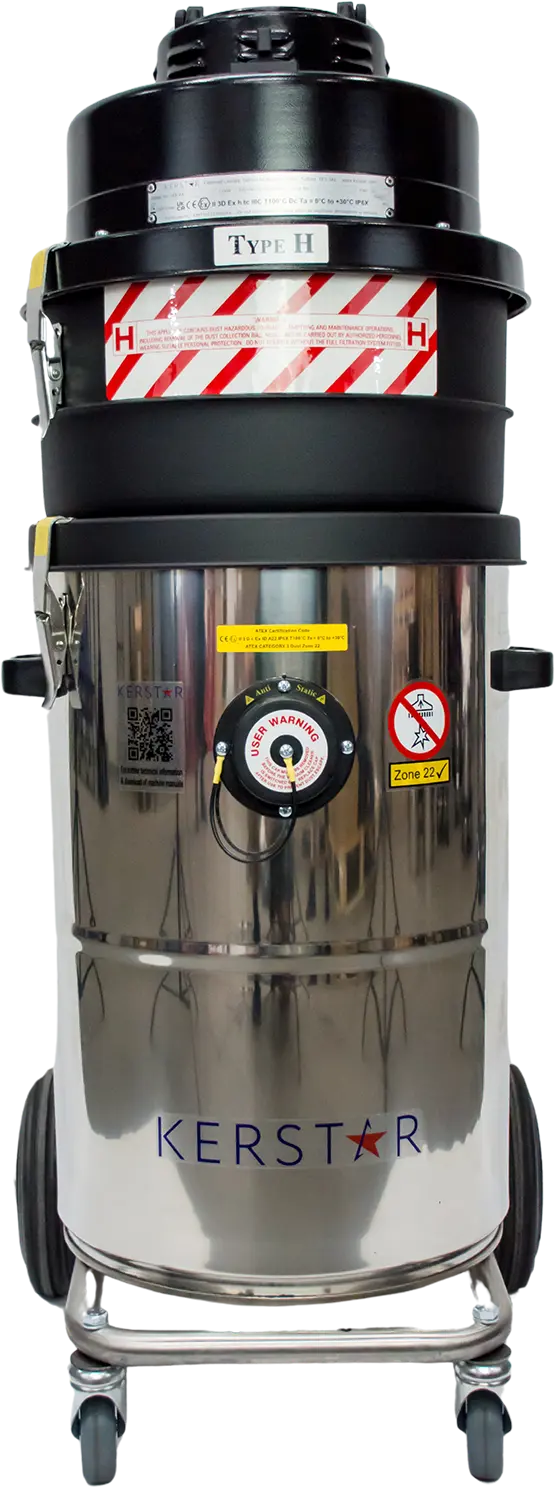
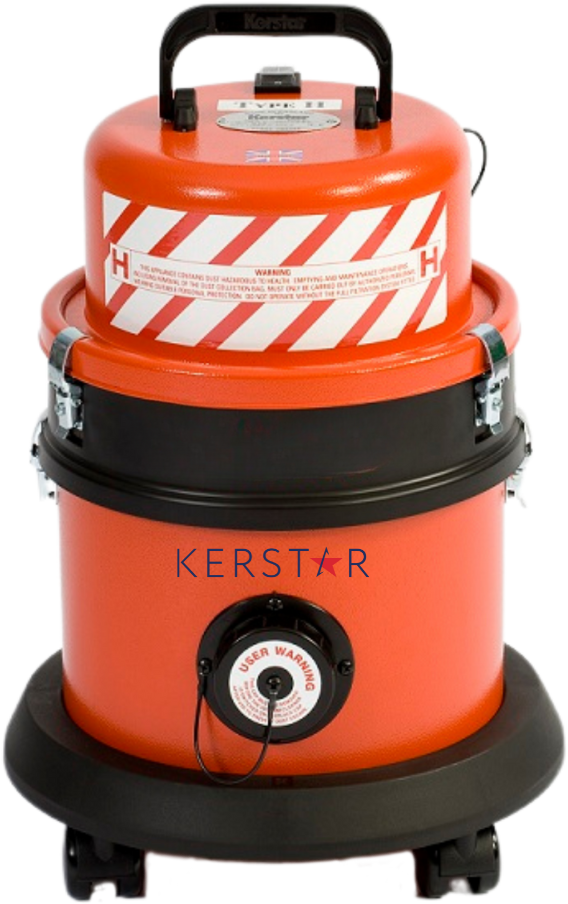
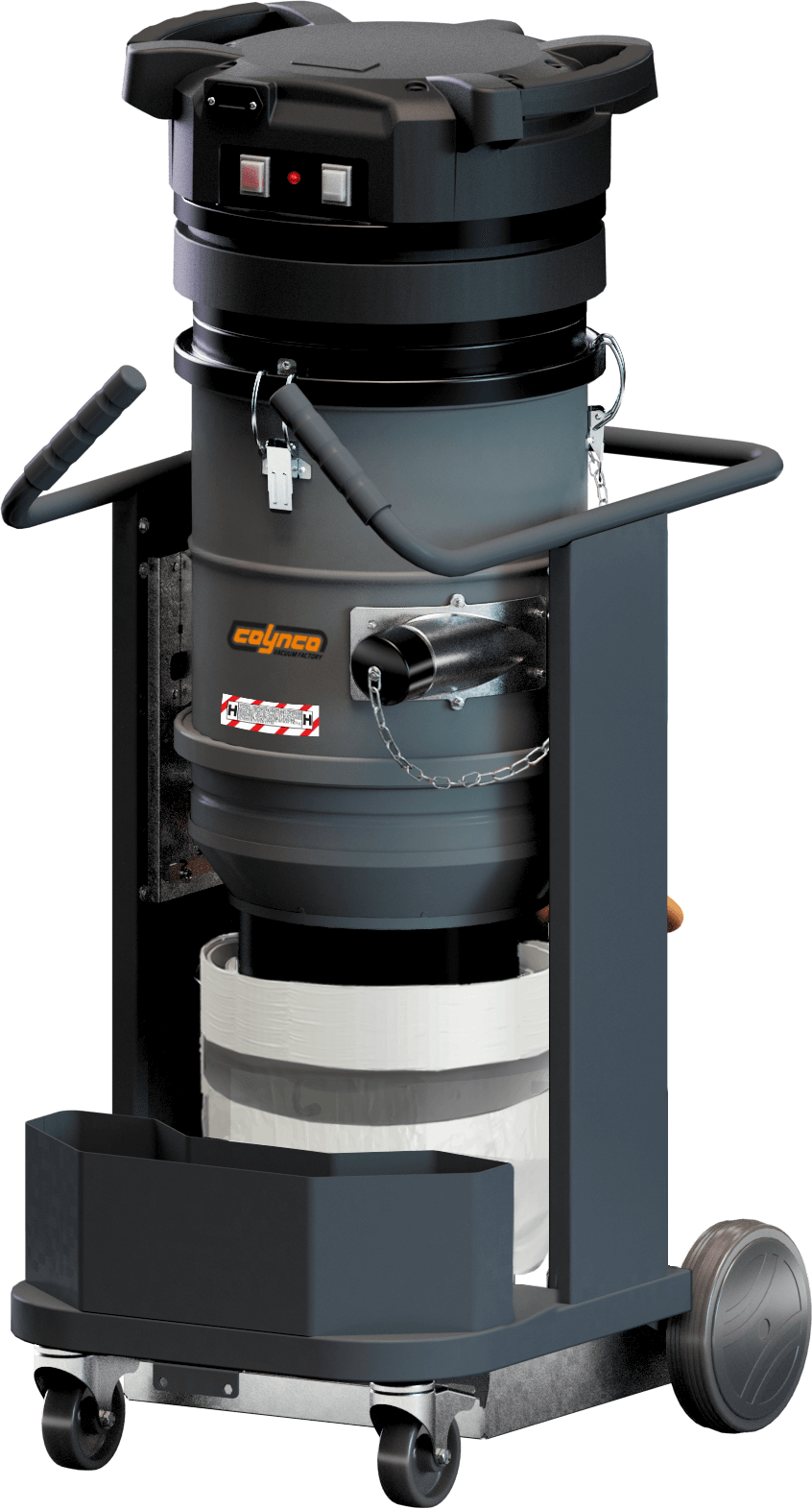
Kerstar’s range of Class H Vacuum Cleaners
-
- Electric
-
-
- Compressed air
-

-
- Non-ATEX Vacuum Cleaners
-

-
-
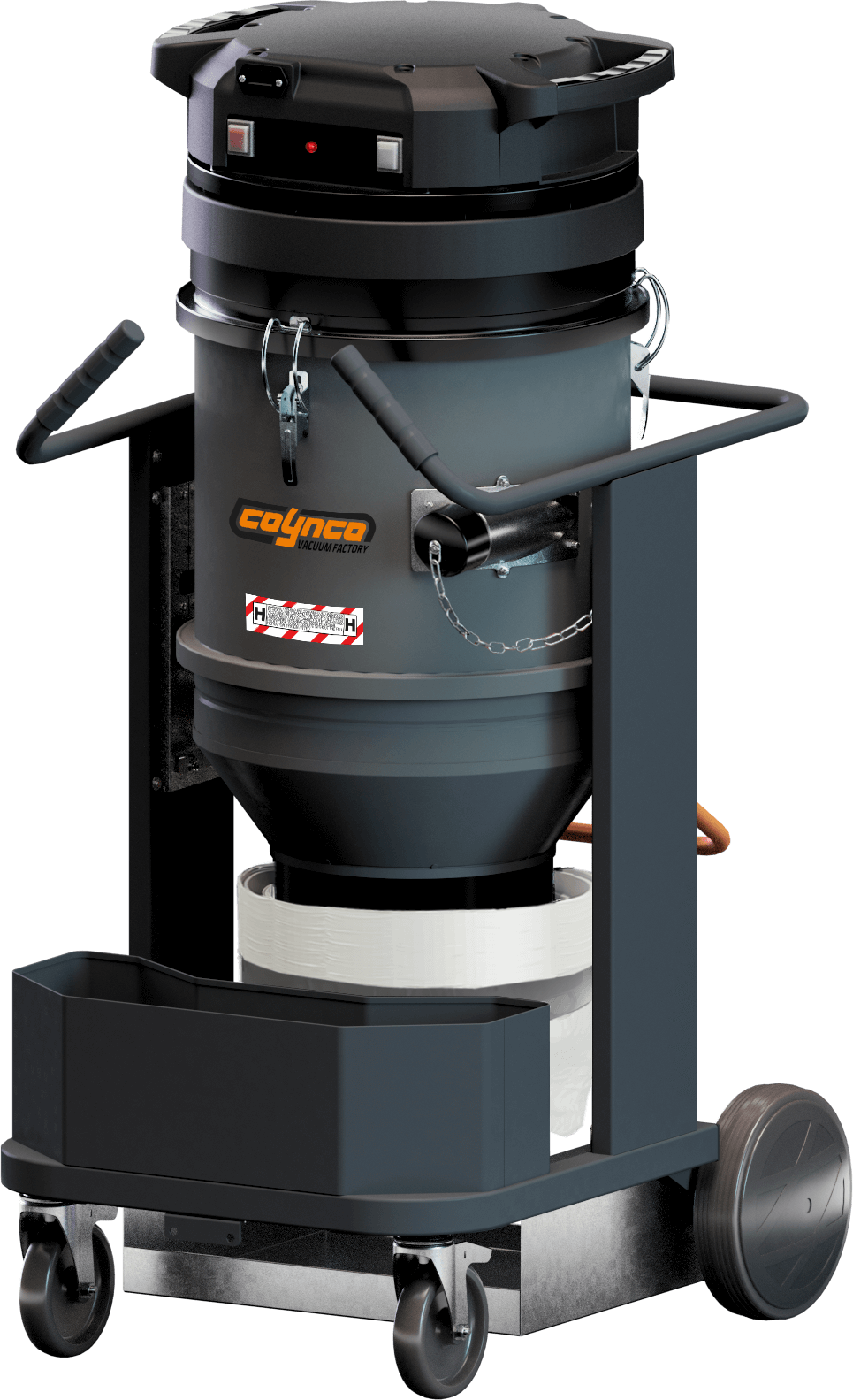
How do you know your Kerstar vacuum cleaner is Class H classified?
A machine which is Class H certified will carry a sticker like this one shown below:

Health & Safety regulations
All markets have their own regulations to govern health and safety in the workplace. For example, in the UK all businesses regardless of size are bound by the Control of Substances Hazardous to Health (COSHH) Regulations 2002. COSHH is designed to minimise exposure and protect workers’ health. Please check out the regulations in your own country.
The nature of the dust and debris being collected by Class H vacuum cleaners means extra care and special precautions may need to be taken.
Frequently Asked Questions
-
Why shouldn't compressed air be used to clean combustible dust?
Using compressed air to clean combustible dust can disperse fine particles into the atmosphere, increasing the risk of a dust explosion if an ignition source is present. It can also expose workers to airborne dust, reducing air quality and making housekeeping less effective. Many safety guidance documents recommend vacuum cleaning as a safer method of removing hazardous dust accumulations.
Kerstar offers ATEX industrial vacuum cleaners designed to safely capture dust at source, helping manufacturers maintain cleaner and safer workplaces.
-
What is COSHH?
COSHH (Control of Substances Hazardous to Health Regulations 2002) is UK legislation designed to protect workers from exposure to hazardous substances in the workplace. This includes dusts, fumes, vapours, chemicals and biological agents that could affect health if inhaled, ingested or absorbed through the skin. Employers are required to assess the risks, implement appropriate control measures and ensure exposure is reduced as far as reasonably practicable.
Industrial vacuum cleaners can play an important role in controlling hazardous dust as part of a wider COSHH strategy. Kerstar supplies industrial vacuum solutions for a wide range of manufacturing environments where effective dust control is essential.
-
What is LEV (Local Exhaust Ventilation)?
Local Exhaust Ventilation (LEV) is an engineering control system designed to capture airborne contaminants such as dust, fumes, mist or vapours at their source before they can be inhaled by workers. LEV systems help improve workplace air quality and reduce exposure to hazardous substances, supporting compliance with health and safety legislation.
While LEV controls airborne contaminants during production, industrial vacuum cleaners help remove settled dust from floors, machinery and work areas as part of an effective housekeeping programme. Kerstar offers vacuum solutions that complement wider workplace dust control measures.
-
What is dust housekeeping?
Dust housekeeping is the routine removal of dust from floors, machinery, structures and other workplace surfaces to prevent hazardous accumulations. Effective housekeeping helps reduce the risk of dust explosions, improves workplace cleanliness and limits worker exposure to airborne dust. In industries handling combustible or hazardous dusts, housekeeping should form part of a wider safety management programme.
Using an industrial vacuum suitable for the material being collected is generally safer and more effective than sweeping or blowing dust with compressed air. Kerstar supplies industrial vacuum cleaners for a wide range of dust collection applications.
-
Why is good industrial housekeeping important?
Good industrial housekeeping helps improve workplace safety by reducing dust accumulation, preventing slip and trip hazards, protecting equipment and maintaining a cleaner working environment. In facilities handling combustible dust, effective housekeeping also reduces the amount of dust available to fuel a fire or explosion.
A planned cleaning programme using appropriate industrial vacuum equipment can help manufacturers maintain consistent housekeeping standards while supporting compliance with workplace safety requirements. Kerstar provides industrial vacuum solutions for a wide range of manufacturing applications.
-
How often should combustible dust be removed?
Combustible dust should be removed before it accumulates to hazardous levels. The frequency of cleaning depends on factors such as the amount of dust generated, the manufacturing process, the effectiveness of existing dust extraction systems and the findings of your workplace risk assessment. High-risk environments may require daily or even continuous housekeeping measures.
Regular industrial vacuuming helps prevent dust build-up and supports safer working conditions. Kerstar offers industrial vacuum cleaners suitable for routine housekeeping in environments where combustible dust is present.
-
What are the risks of using compressed air to clean industrial dust?
Using compressed air to clean industrial dust can disperse fine particles into the workplace, increasing worker exposure and reducing visibility. Where combustible dust is present, blowing dust into the air may also increase the risk of a fire or dust explosion if an ignition source is present. In many situations, vacuum cleaning provides a safer and more effective method of removing settled dust. Kerstar offers industrial vacuum cleaners designed to capture dust at source, helping businesses maintain cleaner and safer manufacturing environments.
-
How can industrial vacuuming improve workplace safety?
Industrial vacuuming helps improve workplace safety by removing dust, debris and waste materials before they create hazards. Regular cleaning reduces slip and trip risks, limits worker exposure to airborne dust and, where combustible materials are present, helps reduce the risk of dust explosions. Using the correct vacuum also improves housekeeping efficiency compared with sweeping or using compressed air. Kerstar provides industrial vacuum solutions designed to help manufacturers maintain cleaner, safer and more productive workplaces.
Need advice on which vacuum you need?
Please call our industrial vacuum experts on +44 (0) 1952 290500