
Vacuum Cleaners For Hazardous Dust
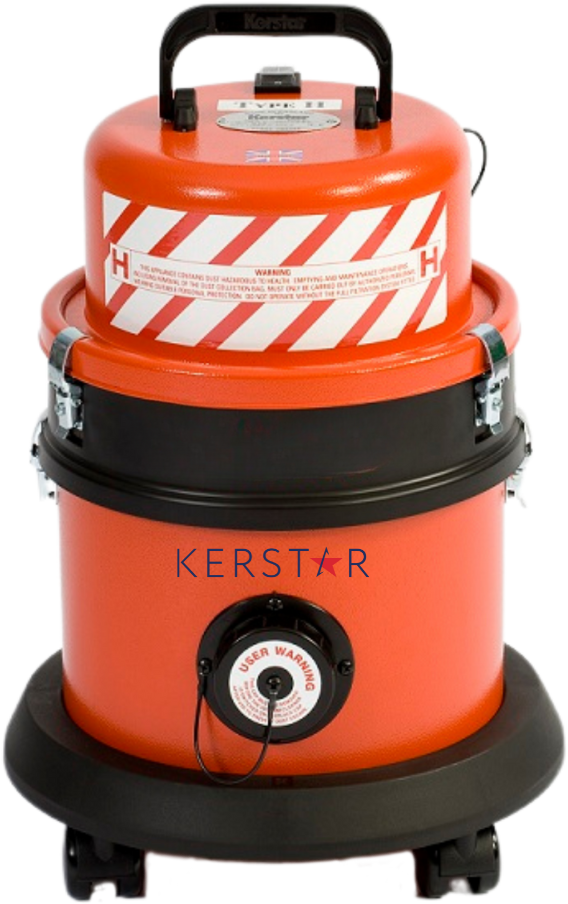
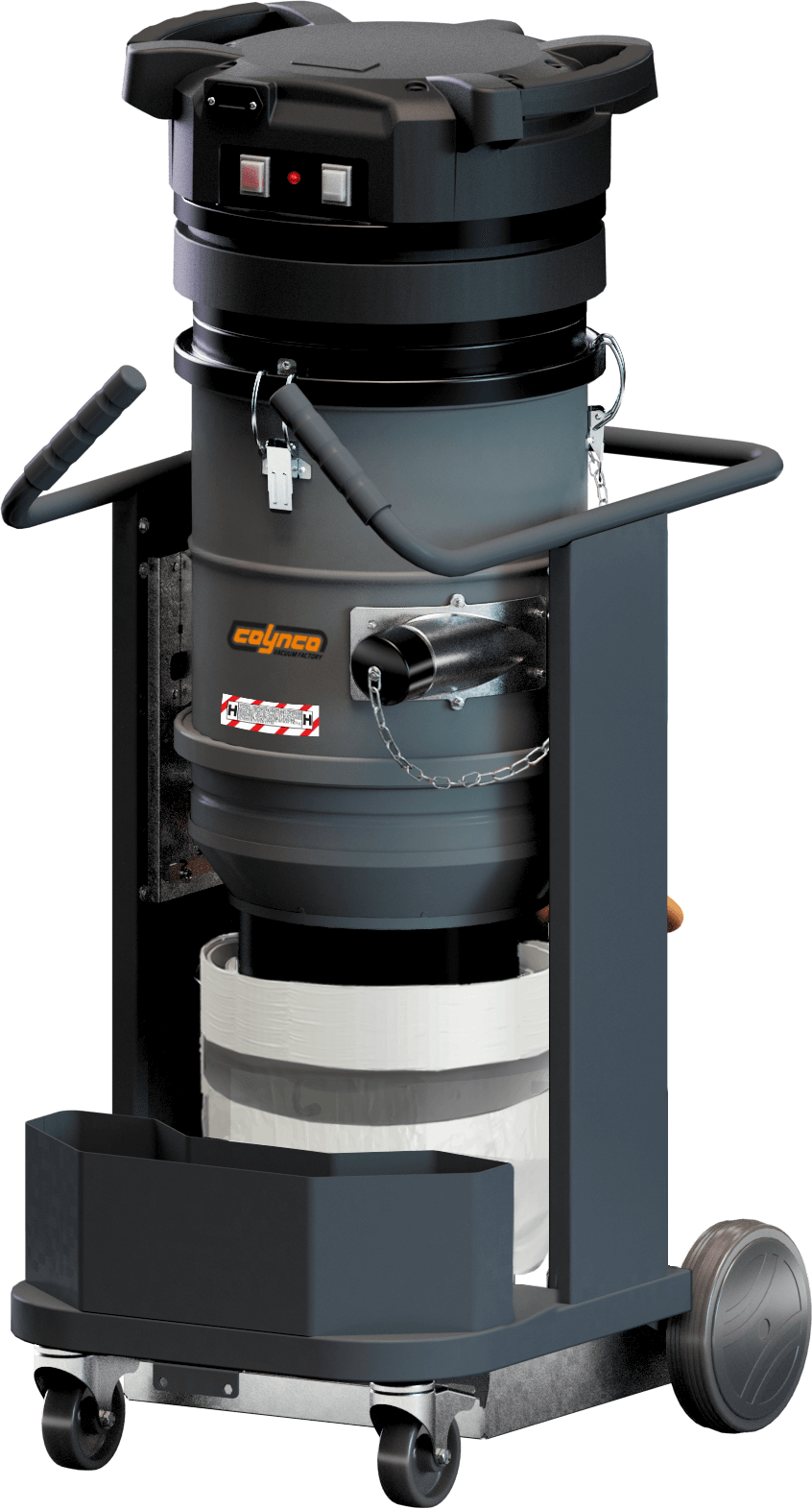
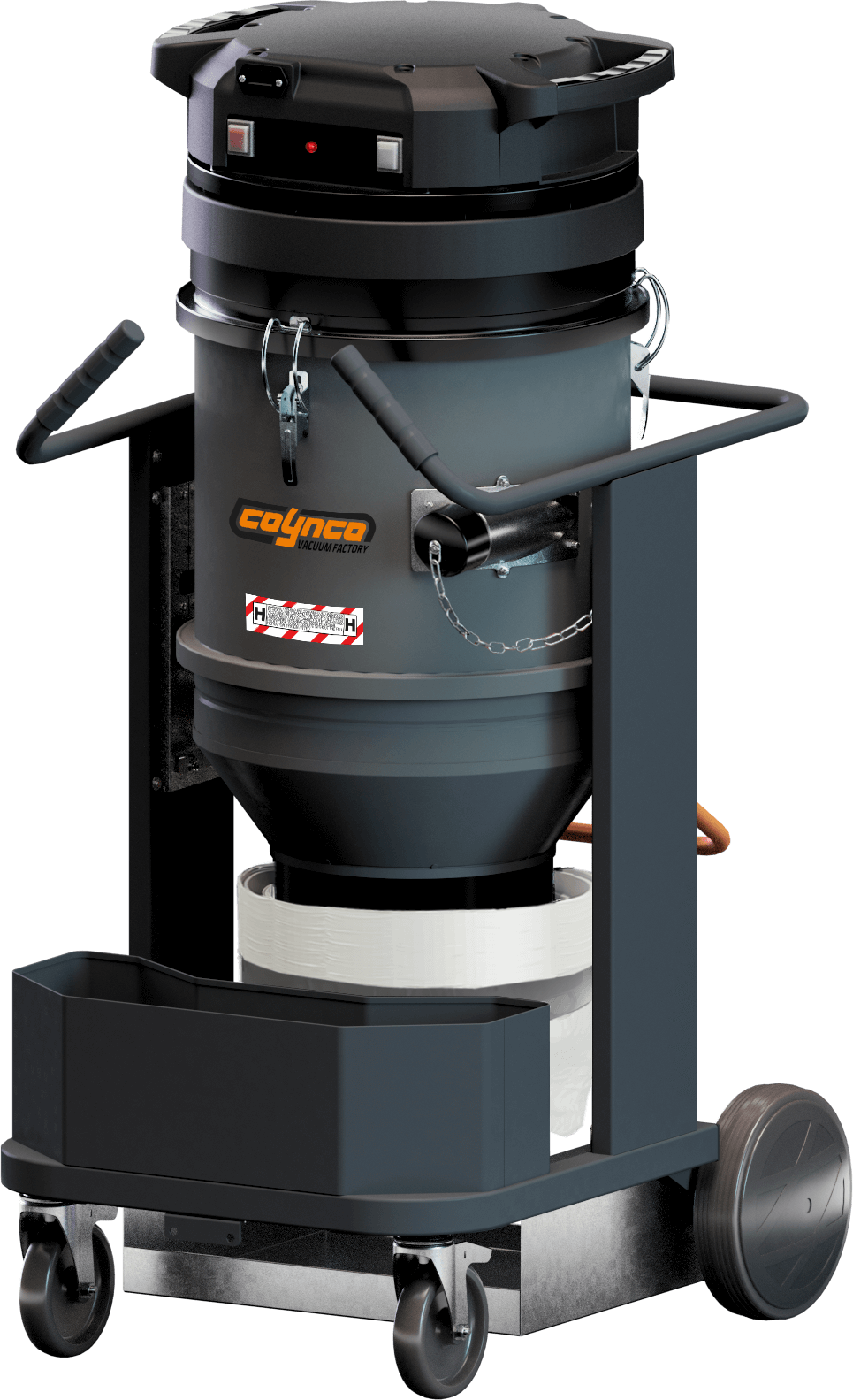
Kerstar is widely recognised for manufacturing and supplying Class H industrial vacuum cleaners for Hazardous Dusts. The Class H range is purposely designed and built to meet the needs of users - helping them to safely and effectively pick up hazardous dusts and debris including asbestos, finely divided silica, carcinogens and highly active pharmaceutical products.

-
What is the difference between an ATEX vacuum and a Type H vacuum?
An ATEX vacuum is designed for use in hazardous areas where explosive atmospheres may be present, while a Type H vacuum refers to the level of filtration provided for collecting hazardous dusts. Although some industrial vacuum cleaners are both ATEX-certified and Type H classified, the two terms describe different safety requirements. A vacuum may offer Type H filtration without being suitable for use in an ATEX-zoned area.
Kerstar offers both ATEX-certified and Type H industrial vacuum cleaners and can advise which solution best suits your application.
-
Is a Type H vacuum always ATEX certified?
No. A Type H vacuum and an ATEX-certified vacuum are not the same thing. Type H classification relates to the vacuum's ability to safely collect hazardous dusts using high-efficiency filtration, while ATEX certification relates to the vacuum's suitability for use in potentially explosive atmospheres. Some vacuums meet both standards, while others are designed for only one of these applications.
If you're unsure which type of vacuum your process requires, Kerstar's specialists can help you understand the differences and recommend the most appropriate solution.
-
What is H-Class filtration?
H-Class filtration is the highest classification of dust filtration for industrial vacuum cleaners and is designed for collecting hazardous dusts that present significant health risks if inhaled. H-Class vacuums use high-efficiency filtration systems to capture very fine particles while helping to minimise dust escaping back into the workplace. They are commonly used for applications involving hazardous construction dusts, pharmaceutical powders and other harmful materials.
Kerstar supplies a range of Type H industrial vacuum cleaners for demanding dust collection applications across multiple industries.
-
Why is sweeping hazardous dust dangerous?
Sweeping can disturb settled dust and release fine particles back into the air, increasing the risk of inhalation and, in some cases, creating an explosive dust cloud. This can make housekeeping less effective and expose workers to hazardous materials for longer periods. Using an industrial vacuum designed for the material being collected removes dust at source and helps keep it contained during disposal.
Kerstar's industrial vacuum cleaners provide a safer and more effective alternative to dry sweeping in many industrial environments.
-
What vacuum is best for fine dust?
The best vacuum for fine dust depends on the material being collected and whether the dust presents a health or explosion risk. Fine particles can remain airborne for long periods and may require high-efficiency filtration to prevent them escaping back into the workplace.
Applications involving hazardous dust may require a Type H vacuum or ATEX-certified solution depending on the material and environment. Kerstar offers industrial vacuum cleaners designed for fine dust collection across industries including aerospace, pharmaceutical, food and manufacturing.
-
What filtration do I need for an industrial vacuum?
The filtration required for an industrial vacuum depends on the material being collected and the level of risk associated with the dust. Lower-risk materials may require standard filtration, while hazardous dusts may require higher levels of protection such as Type H filtration or HEPA filters.
Selecting the correct filtration helps protect operators, maintain air quality and ensure the vacuum is suitable for the application. Kerstar offers industrial vacuum cleaners with filtration options designed for demanding industrial environments.
-
Can industrial vacuuming help with COSHH compliance?
Industrial vacuuming can support COSHH compliance by helping businesses control exposure to hazardous dusts as part of a wider risk management strategy. Removing dust safely reduces the potential for workers to inhale harmful particles and helps prevent contamination of work areas. The vacuum selected should always be appropriate for the material being collected and the associated health risks.
Kerstar supplies industrial vacuum cleaners with a range of filtration options, including Type H models for hazardous dust applications.